
You need less than you think and warmer than you expect. The passes sit around 1,500 metres and the wind on a moving bike does the rest.
Home › Packing list
The mistake is not bringing too little. It is bringing a big bag and one thin jacket.
Your main luggage does not come on the loop. On our trip it travels ahead between homestays, so you ride with a daypack; if you are self-driving, it stays in a hotel or rental-shop storage in Ha Giang City for around 50,000–100,000 VND.
So the real question is not what to bring to Vietnam. It is what goes in the small bag for four days, and what you will wish you had at 7am on a pass with cloud in it.
Cash matters more than you think. There are no reliable ATMs once you leave Ha Giang City. Bring enough Vietnamese dong for four days of drinks, snacks, the Nho Que boat (about $6) and tips, in small notes.
| When | On the passes | Add |
|---|---|---|
| Sep–Nov | Cold mornings, clear days | Proper gloves, a warm hat. The classic season, and busier — book beds early. |
| Dec–Feb | Near freezing at dawn, heavy fog | Thermal base layer, down jacket, waterproof gloves. Seriously consider the private car. |
| Mar–May | Mild, green, occasional showers | Light rain shell. The easiest season to pack for. |
| Jun–Aug | Hot valleys, hard afternoon rain | Proper waterproof, dry bag for electronics, spare dry socks. Humidity means nothing dries overnight. |
The number one regret. Hands take the full wind on a bike and they get cold long before the rest of you. Any gloves beat no gloves.
A 500,000 note is useless at a village stall. Break your cash in Ha Giang City before you leave.
Homestay sockets are few and shared, and you will use your phone as a camera all day. Bring your own charge.
If winding roads bother you at all, four days of switchbacks will find out. Worth having even if you rarely need them.
Day four stops at the Du Gia waterfall with time to swim. People who did not pack one always wish they had.
Add a few things the guided version makes unnecessary: an offline map (signal disappears for long stretches), your licence and International Driving Permit, a phone mount, and photographs of the bike from every angle taken at the rental shop before you ride away. That last one settles damage disputes on the final morning better than any argument.
Also bring a headtorch. Some homestay bathrooms are across a yard, and the power goes out.
Layers above all: a warm mid-layer, a windproof and waterproof outer, long trousers, closed shoes, gloves, sunscreen and a small daypack. Three days of clothes is enough for a four-day loop. The passes sit around 1,500 metres and wind chill on a moving bike makes them far colder than the valley.
Valleys are usually mild, but at pass altitude in December to February it can drop near freezing in the early morning, and it is cold enough for a real jacket even in October and November. In summer the valleys are hot and humid while the passes still get cold in the rain.
Yes, in every season. Rain arrives fast up here and a cheap poncho over a warm layer is the difference between a good afternoon and a miserable one. Rental shops and guides usually carry spare ponchos, but bring a proper waterproof if you have one.
A 20 to 30 litre daypack is right. Anything larger is awkward on a bike and unnecessary, since your main luggage is moved between homestays for you or stored in Ha Giang City.
Ha Giang City has shops for basics — ponchos, gloves, sunscreen, toiletries, SIM cards. Villages on the loop itself have very little, so buy before you leave the city on day one.
Most provide a towel and basic soap, but not reliably. Bring a quick-dry towel and your own toiletries, and do not count on a hairdryer anywhere.
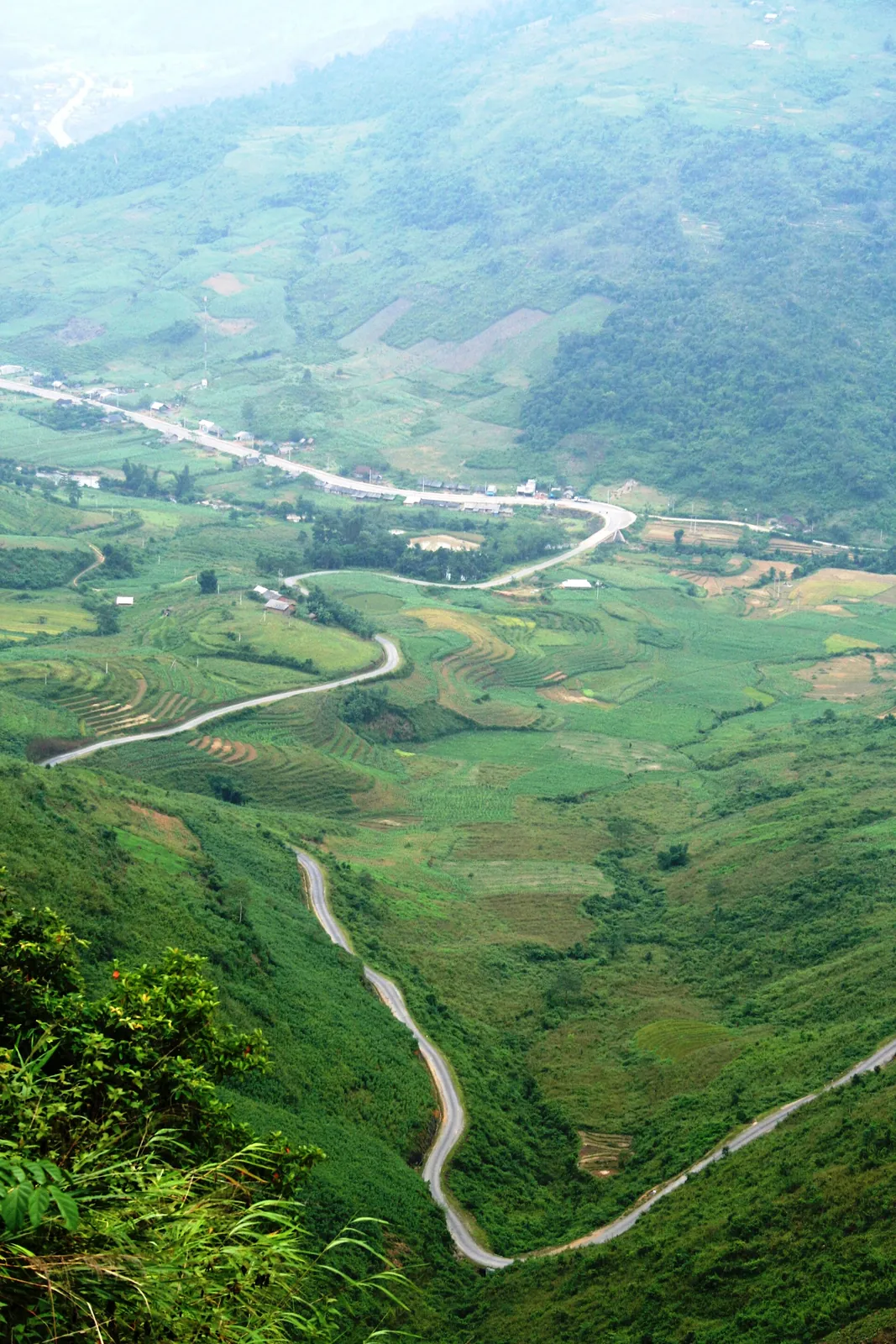
February and October need different bags. Send us your dates and we will be specific, including whether you need gloves and how likely the rain is that week.